
So that thing that started with a Trump shower thought last fall and that WSJ said would be happening imminently is, in fact, now happening. Catch yourself up on earlier posts here if you need to:
- President Trump’s Latest Shower Thought Is to Eliminate Quarterly Reporting (September 16, 2025)
- Oh So We’re Actually Going to Get Rid of Quarterly Reporting After All Huh (March 18, 2026)
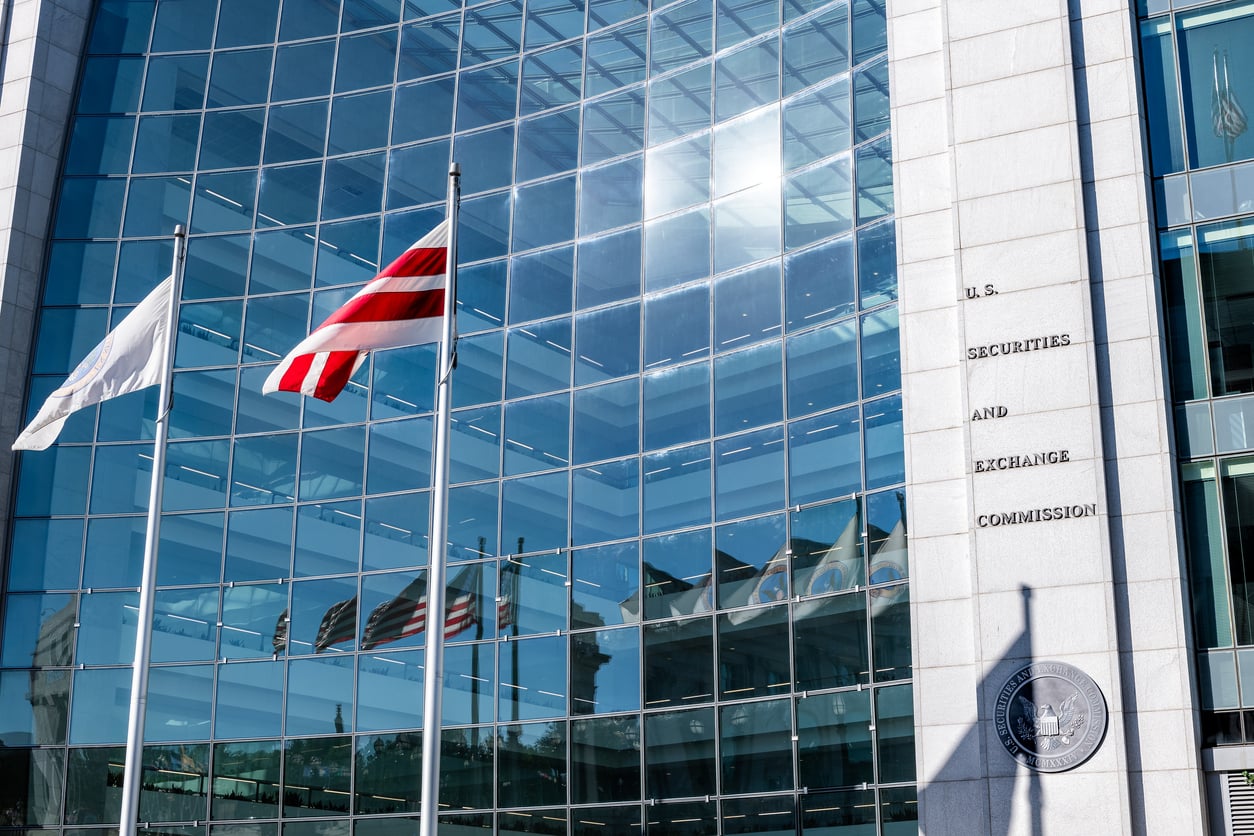
The SEC today has proposed a change-up to the rules that would allow companies to nix quarterly reporting. Question is, who’s gonna fight for it and who’s gonna applaud its demise?
From the press release:
Public companies, subject to Exchange Act Section 13(a) or 15(d), are currently required to file quarterly reports on Form 10-Q. The proposed amendments, if adopted, would allow these public companies to elect to file semiannual reports on new Form 10-S instead of quarterly reports on Form 10-Q. As a result, companies that elect to file semiannual reports would file one semiannual report and one annual report for each fiscal year in lieu of three quarterly reports and one annual report. The flexibility provided under proposed amendments would enable public companies to choose the interim reporting frequency that would best serve the company and its investors.
“Public companies have an obligation under the federal securities laws to provide information that is material to investors. Yet, the rigidity of the SEC’s rules has prevented companies and their investors from determining for themselves the interim reporting frequency that best serves their business needs and investors. Today’s proposed amendments, if ultimately adopted, would provide companies with increased regulatory flexibility in this regard,” said SEC Chairman Paul S. Atkins in a statement.
Uh huh.
Under the proposal, the filing deadline for semiannual reports on Form 10-S would be 40 or 45 days, depending on the company’s filer status, after the end of the first semiannual period of the fiscal year. The proposal also would amend Regulation S-X, which governs the financial statement requirements for periodic reports, registration statements, and proxy statements, to reflect the new semiannual reporting option and simplify the existing financial statement requirements.
Semiannual public reporting comments are open here for 60 days. We can’t wait to read them!
If you’re into this stuff, Chairman Atkins’ whole statement is worth a read. It talks about the burden of quarterly reporting and how lifting said burden could really do some public companies a solid. We’ll include the important bits below to save you a click. Note how he says FASB should evaluate their own standards while we’re at it:
In determining a company’s reporting cadence, a company might consider factors such as the costs and management time of preparing quarterly reports versus semiannual reports, expectations of its investors, potential effects on its cost of capital, the stage of its business development, the nature of its business model, other avenues of disclosure including earnings calls and current reports on Form 8-K, and prospects of increased research coverage, all without undermining fundamental investor protections. Ultimately, this flexibility might reduce some of the burdens of being a public company and potentially influence a company’s decision to become or remain public. The proposal seeks public input on the optional semiannual reporting framework, and I look forward to the public feedback.
Of course, the frequency of regulatory reporting is only part of the equation for incentivizing companies to go and stay public. Another significant part is ensuring that the disclosure—both financial and non-financial—mandated in interim reports, whether filed quarterly or semiannually, is guided by materiality as the north star. At the SEC, the Commission staff is well underway in exploring potential amendments to Regulation S-K, generally and including the parts implicated by interim reports. With respect to the financial statements required in interim reports, I also encourage the Financial Accounting Standards Board to evaluate potential amendments to its accounting standards, with the same goal of eliciting disclosure of material information and avoid compelling the disclosure of immaterial information.
Today’s proposal is just the first step of the larger, comprehensive effort to review and reshape the current SEC rules governing public companies with respect to their ongoing reporting obligations and their ability to raise capital in the public markets. Over the next few months, I expect that the Commission will be considering a series of proposals that, if adopted, will not only redefine what it means to be a public company, but will make being public attractive again.
A whole series? Oh my.

The Trump administration will go down as the most sympathetic to white collar crime of any administration since the Great Depression.
If you’ve ever had the dream of getting into white collar crime as a profession, now is the time. Don’t let it pass you by.
You go to school at a learing center or something?
As the SEC proposal points out, seminannual reporting is the norm in Europe.
So with technology making reporting less burdensome, why are we moving to require less reporting? What happened to the move toward greater transparency? Once, they even talked about continuous reporting.