Exposure Drafts appears every other Wednesday. Send suggestions to editor@goingconcern.com.
Exposure Drafts: The Stuff That Keeps CPAs Up at Night
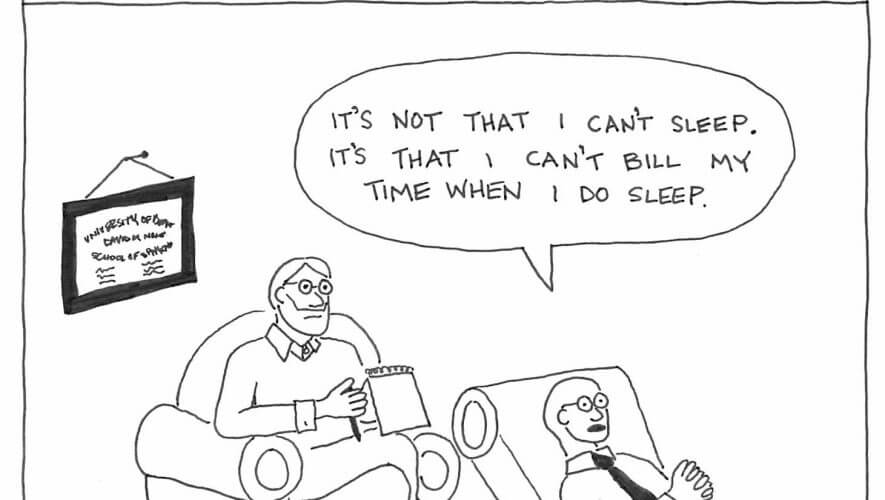

When accounting goes unaccounted for
Exposure Drafts appears every other Wednesday. Send suggestions to editor@goingconcern.com.
One of the biggest distractions for small-business owners has to be maintaining their books and […]
At the end of the day on Monday, May 17, hundreds of thousands of little tax-exempt organizations will to turn into taxable little pumpkins. Under a provision of the Pension Protection Act of 2006, tax-exempt organizations that had been small enough to fall below IRS filing thresholds were required to start filing information reports. The law automatically revokes the exempt status of organizations that fail to file for three straight years. The deadline for that third year is May 17 for calendar-year filers.
Of course many of these organizations are inactive or defunct, but many aren’t. That means thousands of volunteer garden club, school parent organization and social club volunteer treasurers will unwittingly find themselves in charge of filing tax returns for their newly-taxable little corporations.
If you are an exempt organization treasurer or board member, you should find out right now whether your organization has filed. If your organization normally takes in less than $25,000 per year, the filing is a very simple on-line process, mostly just asking for identifying information. Bigger outfits will have to file a version of Form 990. If you need extra time, you can get a three-month extension on Form 8868. Some organizations, mostly governments and religious entities, are exempt from the filing and revocation rules.
But what will happen when these outfits lose their exempt status? They can ask for it back retroactively by filing Form 1023 or Form 1024 and paying a fee from $250 to $800. But many of these outfits will have no idea that they have lost their exempt status. What happens to them?
Most will become taxable C corporations or, in some cases, a taxable trust – depending on how they are set up. They will have income – for example, from contributions or dues – and they will be subject to normal Form 1120 filing requirements. If they fail to file, the normal kind and gentle penalties will accrue. Nobody really knows what the IRS will do about all of these little unwitting scofflaws.
And for what? Senator Charles Grassley explained back when the bill was passed in 2006:
The pension bill includes a good package of charitable giving incentives and loophole closers. It makes sense to tighten areas of abuse while increasing incentives for charitable giving. Americans are very generous with their donations. They deserve to know that their money helps the needy, not the greedy. Some individuals are creative about exploiting non-profits’ tax-exempt status for personal gain, and Congress has to be just as smart about shutting down abuse.
So take that, you greedy, abusive volunteer booster club treasurers! @ChuckGrassley has your number.
This story is republished from CFOZone, where you’ll find news, analysis and professional networking tools for finance executives.
Looks like President Obama could have an unexpected ally in his push for alternative forms of energy: small business.
That, at least, is the conclusion of a study of 800 small business owners and their attitudes towards clean-energy policies conducted by several groups, including Small Business Majority, a small-business advocacy organization.
The study found that most small-business owners support having a clean-energy policy and think the right moves can jumpstart the economy and create jobs.
Specifically, 50 percent back clean energy and climate legislation that would “limit pollution, invest in clean-energy sources and encourage companies to use and develop clean-energy sources” and “put a price on carbon emissions from energy sources like coal and oil, so companies would have to pay if they release these emissions into the air.” And 61 percent feel that moving the country to adopt new, alternative forms of energy is a viable way to restart economic growth.
That’s in spite of the fact that nearly two-thirds think a new energy and climate policy would increase their costs–quite something, considering the really small size of most of the respondents, 79 percent of whom have five or fewer employees.
Still, the majority also would be more likely to support new legislation if they received government incentives to help reduce the costs of introducing energy-efficiency improvements. For example, 62 percent would support a bill if it included interest-free loans for upgrades. Fifty-two percent would be more likely to back legislation if they received grants or subsidies for energy improvements and if they had access to free training or consultation on how to profit from the emerging clean-energy industry.
Of course, other studies have come up with notably different conclusions. Early this year, for example, the National Federation of Independent Business (NFIB) found that 66 percent of small-business owners and managers oppose a federal cap-and-trade system.
But if Small Business Majority is correct, then, if he plays his cards right, Obama might wind up with significant small-business support at a time when he’s going to need it badly.