Exposure Drafts appears every other Wednesday. Send suggestions to editor@goingconcern.com.
Exposure Drafts: The Stuff That Keeps CPAs Up at Night
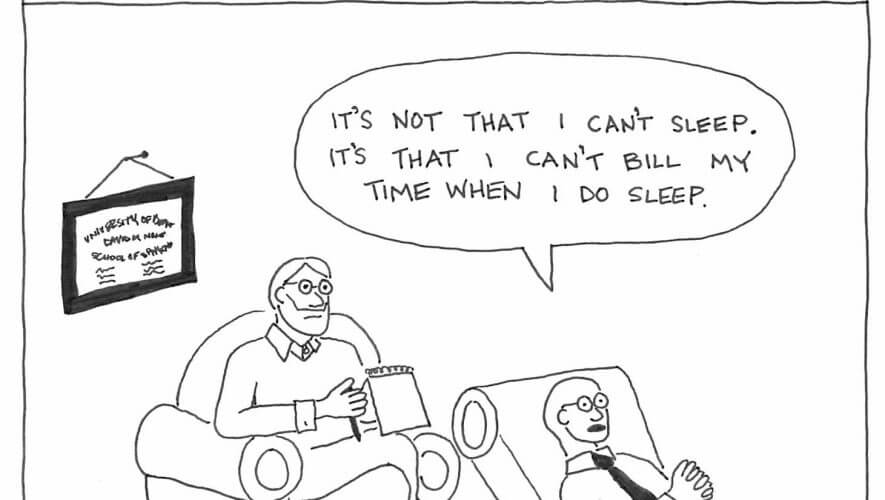

When accounting goes unaccounted for
Exposure Drafts appears every other Wednesday. Send suggestions to editor@goingconcern.com.
This story is republished from CFOZone, where you’ll find news, analysis and professional networking tools for finance executives.
The employer-sponsored health care system provides health insurance to more than 60 million people–but it does not exist in a vacuum. Employers are often reminded of this fact when their health care costs go up each year. Factored into that cost increase are premiums employers pay to hospitals to help those institutions provide care to the uninsured.
Two years ago the actuarial firm Milliman put a price tag on this cost-shifting: employers pay an additional $1,115 more for a family of four’s health insurance to make up for this loss. That totals about $88 billion annually.
This cost-shifting is once again becoming an issue as the federal government looks to provide insurance to people who cannot otherwise get it because they are considered high-risk.
States have for years created high-risk pools to separate the people with especially high health care costs from the rest of the population. Normally these folks can’t get insurance. The high risk pool absorbs some of the cost to insurers.
Now the federal government is getting in on the action, in large part to address the issue that insurers regularly refuse to issue insurance to some people or they do so at rates that are prohibitively high.
A new analysis on so-called high risk insurance pools that the federal government will set up as soon as July as a result of health reform makes the point that the money allotted will run out much sooner than originally thought. Instead of covering as many as 7 million people who could qualify there will likely be enough money to cover about 200,000 annually. This is not surprising. The need is always greater; the funds always inadequate.
So what does this all mean for employers?
It appears one step removed. But, as employers know, the health care system is fragmented yet, in the end, someone – either the federal government or employers – ends up paying the cost. In the analysis, published by the Center for Studying Health System Change, the authors point out that states with high risk pools currently do not assess self-insured employer plans.
Under the federal law this will change. Employers will face an assessment. One possibility is that the assessment will have to go up in order to increase the amount of money in the pot. The other of course is to limit who can get access to the high risk pools.
It remains to be seen what kind of conflict this issue will provoke. Like many other aspects of the new health care reform, it has the potential to fade away or to metastasize into something problematic.
But one thing remains likely: costs will continue to go up. The question is who will pay for these costs? If these assessments are any sign, it will be insurers and self-insured employers.
In these pages last week, we brought up the expanded 1099 reporting requirements that could possibly bury some small busineocumentation. The question remains, how big is this pile? Will it require a shovel to dig out of the pile of paper or a bulldozer?
Based on the AICPA’s letter to the U.S. Senate that made the rounds yesterday, it will require a team of angry Ohioans – all with their own dozer – to unbury small business owners.
Alan Einhorn, the Chair of the AICPA’s Tax Executive Committee wrote the letter and in extremely tactful terms, expresses his discontent, “[W]e believe section 9006 of the Act should be repealed because the provision imposes extremely burdensome information reporting requirements on business taxpayers that cannot be justified in terms of the limited utility such information reports will provide to government.”
Adrienne boils that down in a less tactful manner, “You don’t have to be a CPA to see why this is a completely moronic idea. What happened to paperwork reduction? I love the use of ‘extremely burdensome’ – as most of you probably know, it’s got to be REALLY annoying to get the accountants to bust out the ‘extremely’ in a complaint.”
She makes a good point. Not to get all English-y on you but the adverb “extremely” doesn’t exactly make it a more effective sentence. Alan was clearly going for exaggeration in order to get his point across that this portion of the Patient Protection and Affordable Care Act is the most useless section of the entire act. And for some of you, that’s really saying something.
AICPA Letter to Congress Supporting Repeal of Expanded 1099 Reporting by Businesses
“I believe the votes are there whether I like it or not.”
~ Barney Frank, on the House provision that would exempt small and midsized businesses from complying with Section 404.