
This post was originally published on April 29, 2026 and updated on June 3, 2026. Update below the original article text.
The other day — and by the other day we mean like more than a week ago — we received a text on the tipline that read “KPMG US to get rid of the federal audit practice by not renewing their clients contracts.”
That is pretty big news so we tried to substantiate it with something, anything other than just the tip (believe it or not that’s a thing we do), a quest which left us empty-handed. Well now we can write it up because Financial Times was able to confirm it and dig up more info:
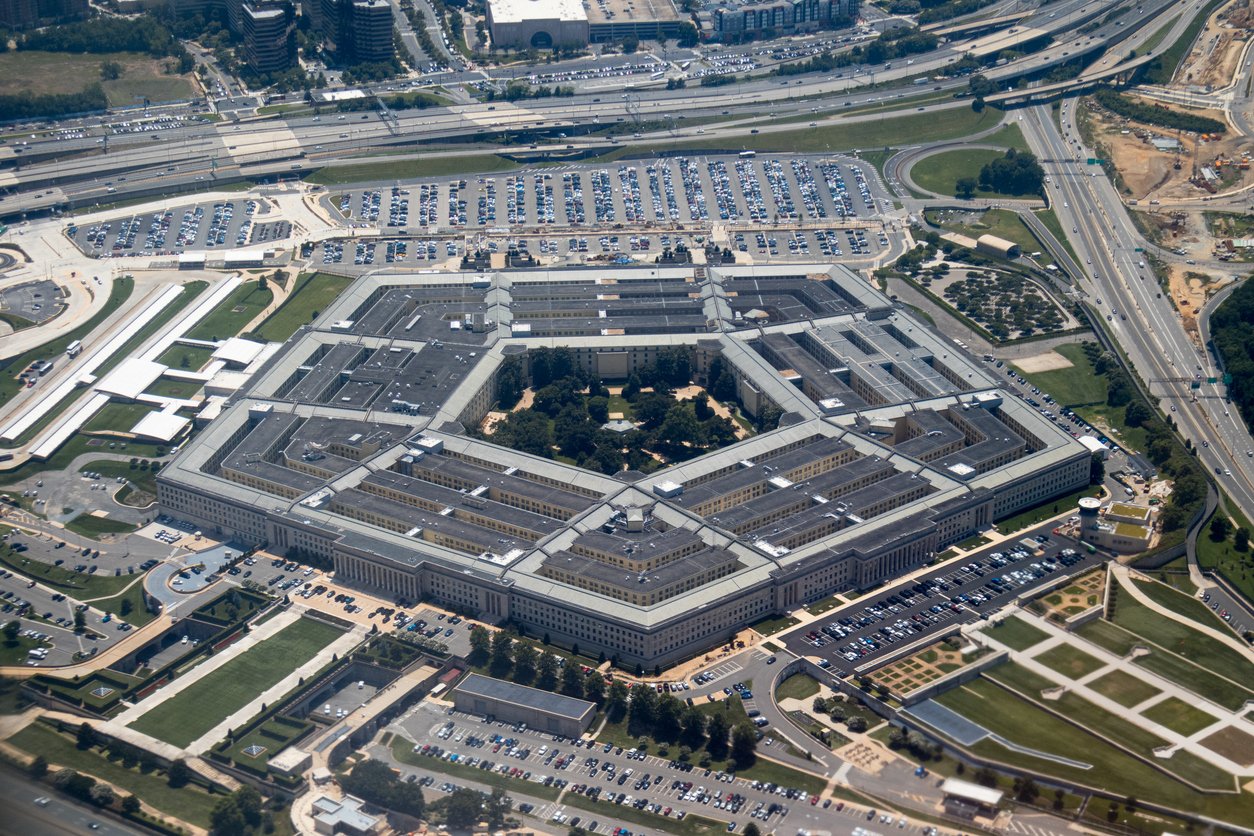
KPMG is shutting its federal government audit business and shifting more than 450 US staff to other roles after losing a $60mn-a-year contract with the Pentagon.
The Big Four firm had audited the US Army for almost a decade but the defence department plans to use a new accounting firm to oversee a larger proportion of the military’s accounts, as political pressure mounts to get a grip on its chaotic finances.
Current federal audit clients at KPMG include the Departments of Justice, Labor, Transportation, and Energy as well as the Treasury. All will be wound down by the time the last contract expires in 2030. Said KPMG in a statement to FT: “Over the past few years, KPMG has prioritised advisory services for the federal government, We are transitioning out of federal audit roles through an orderly, multiyear process, meeting all client and regulatory obligations. As demand continues to grow across both audit and advisory, we will be redeploying our talented federal audit professionals across the firm to meet client needs.”
Secretary Pete Hegseth said in a Department of War video posted on YouTube yesterday that “the era of excuses is over” and promised a clean audit opinion by 2028. Show don’t tell, bro.
Do we think they’ll go over to EY since EY was the firm that was able to give the Marines something no other military branch had ever gotten before (that is to say, a clean audit opinion)?
And do we think Deloitte is busy schmoozing it up in Washington to get back some of the federal money they lost when they got DOGE’d hard last year?
While we’re at it, do we think anyone else with a decent federal practice is going to try to slide in there and get a piece of this?
And the most important question of all: do we think the Pentagon can actually get a clean opinion?
Related: Report: Pentagon will likely fail audits through 2028
Update: Well that’s one way to find out KPMG’s federal audit practice is being shuttered. OP says their internship was set for 2027:


It was just a matter of time. Pete Hegseth showed unbelievable patience by not firing this woke firm. The KPMG pansies have already purged their senior talent so it makes sense that they would do something stupid.
Pete Kegsbreath. The ultimate DUI hire. A cosplaying beta bitch.
like how Pete Hegseth is delaying promotions for minorities and women while firing anyone that mildly disagrees with him or gets between him and Daddy Twump?
Sounds like they don’t want to have to comply with independence rules while they vacuum up that consulting cash using Chatgpt and AI generated studies.
This audit was always a bit out of KPMG’s wheelhouse. Their specialty is going into clean companies after underbidding the competition, finding an issue causing a restatement, and then billing a shit ton in overruns.
Looks like Secretary Kegseth got to do what every accountant in private industry dreams about one day having the opportunity to do: Fire KPMG.
Btw, I guarantee there is a lot more to this story. Maybe we’ll find out in the coming months/years.
There’s a vacuum of leadership at KPMG. There are partners within the KPMG who could get them out of the doldrums, but these partners are not the ones holding the power.
The whole practice will be hired by whatever firm wins the work going forward. There’s no firm that has the expertise or capacity on the bench to conduct audits of federal agencies.